Different ways to stabilize & the effects

TCS SPOKE

New for carbon wheel production

TCS spoke

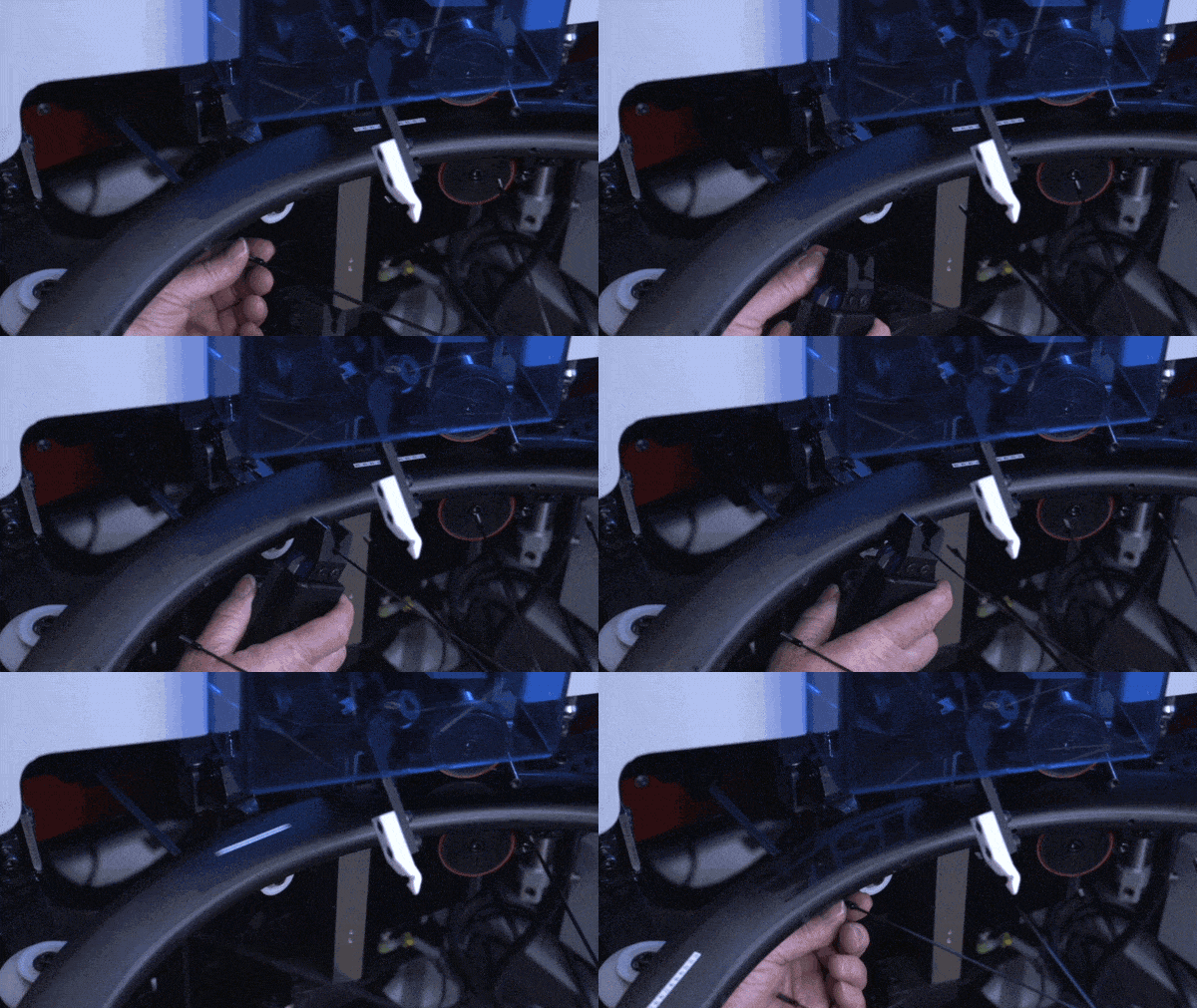
Holland Mechanics designed and patented the TCS spoke. It carries a correctly oriented square section that our machine can grip, which is now correctly oriented. The TCS carbon spoke are made by Sapim and Alpina under licence, so you can specify it for your wheels today.

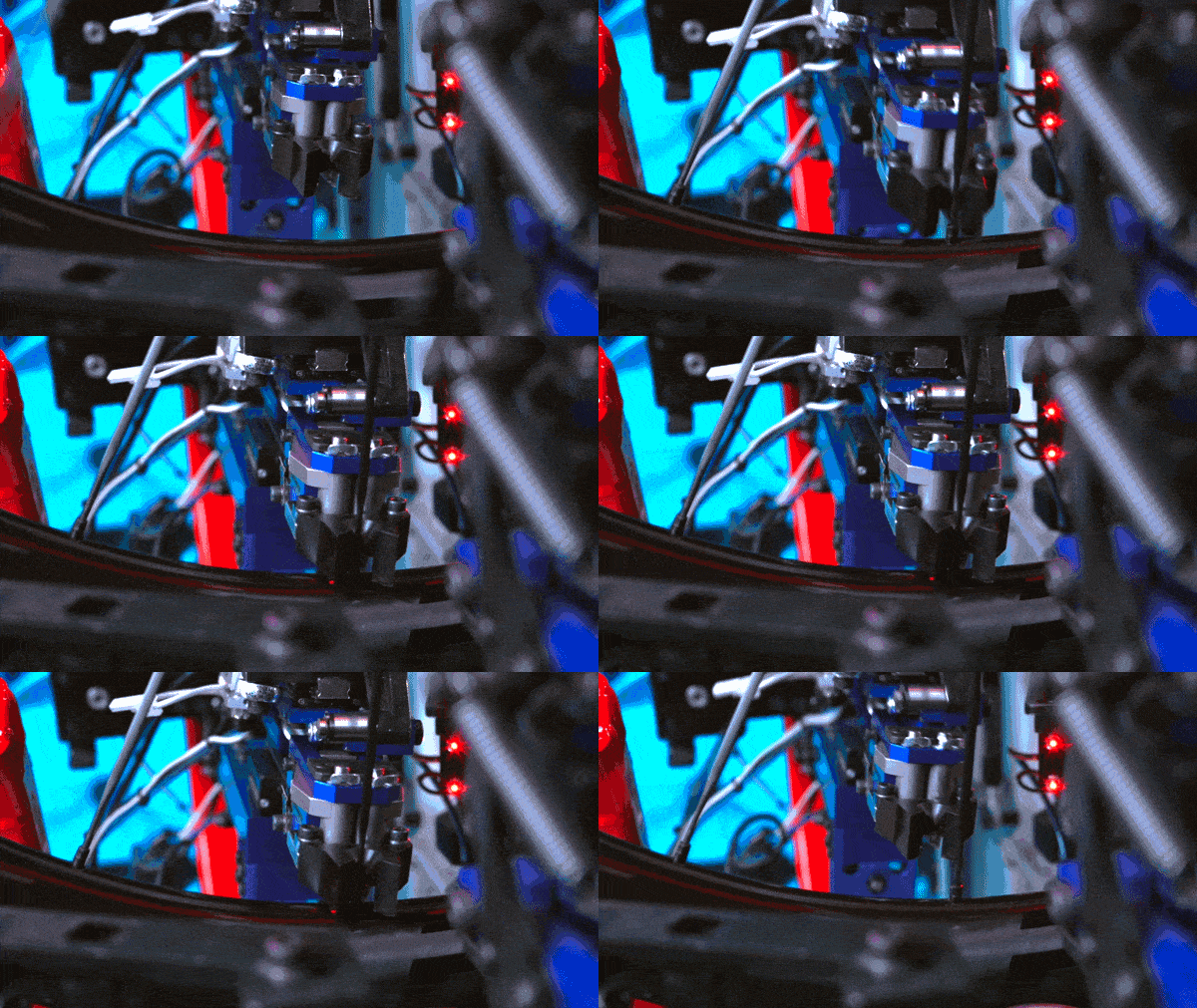
TCS gripper that grips the square of the carbon spoke, preventing torsion and spoke damage

WHAT THE TCS SQUARE DESIGN CHANGES

1

A surface built to be gripped

The TCS gripper closes on the square and on nothing else, so no torsion ever reaches the carbon spoke.

 
2

The nipple turns, the spoke does not

Tension goes in with zero wind-up, on round and bladed carbon spokes alike. No damage, no breakage.

 
3

Held means controlled

With the spoke fixed, the machine can tension, center, stabilize and correctly measure the wheel as one sequence.

 
4

Aligned square, accurate measurement

The square has to face the gripper in the right orientation, that is where the machine engages from, this goes hand in hand with bladed spokes.

The square has to be oriented correctly for the machines to grip and measure it.

AVAILABLE FROM SPOKE MANUFACTURERS

What your line gets

No handling breakage

The build stops putting stress into the spoke that the rider pays for later.


Round and bladed

One gripper handles both carbon spoke types, straight-pull included.


Tension you can repeat

Tensioned the way the machine intended, not the way the spoke twisted.


Automatic carbon Line

Carbon spokes stops being the job only your best operators can take on.

Available on our carbon machines

Robot-OT truing machine
Tensions, centers and stabilizes with the spoke held still.

InLine Lacer, carbon option
Laces carbon spoked wheels without stress on the spoke.

Differences between stabilizing methods and benefits

In wheel building, true quality is not only achieved at the truing stage.

One of the most critical moments happens before a wheel ever reaches a truing machine: stabilization.

Stabilizing – Pressuring

This method applies controlled pressure directly to the spokes.

What it does
• Seats spoke heads correctly in the hub
• Ensures nipples settle properly in the rim
• Prevents spokes from relaxing after truing

Best suited for
• J-bend spokes
• High-volume bicycle and e-bike production
• Consistent, repeatable quality

Main benefit
Wheels keep their tension longer and require far less re-truing at dealers.

Pre-stressing


With pre-stressing, controlled force is applied to the hub from both sides while the rim is supported.

What it does
• Loads spokes from both directions
• Removes hidden slack in the system
• Tightens hub and spoke seating

Best suited for
• Mixed wheel types
• High-load applications such as e-bikes and cargo bikes

Main benefit
Fast, effective stabilization in a dedicated machine, resulting in shorter total production time.

Press De-winding


Here, the wheel is clamped between rollers while pressure is applied to the hub from both sides as the wheel rotates.

What it does
• Simulates real riding forces
• Mimics the G-forces experienced during cornering
• Allows tension to stabilize dynamically

Best suited for
• Straight-pull spokes
• High-end wheels
• Combined stabilize and truing processes

Main benefit
Exceptional seating accuracy, though the total process time is longer compared to separated stabilizing and truing steps. But all in one machine.

Before Stabilizing

• Uneven spoke tension distribution

• Spokes continue to settle after truing

• Higher chance of re-truing at dealers

• Reduced long-term durability and increases chance on spoke breakage

After Stabilizing

• Even tension across all spokes

• Stronger spoke necks and better nipple seating, prevents breakage

• Improved wheel stability under load

• Significantly reduced re-truing and transforms a “good” wheel into a consistently high-quality whee

CONTACT US FOR QUESTIONS OR A DEMO